NEWS
From Amazement to Expectation: The Key Trend of didacta 2026 Through the Eyes of a Janus Worldwide Expert
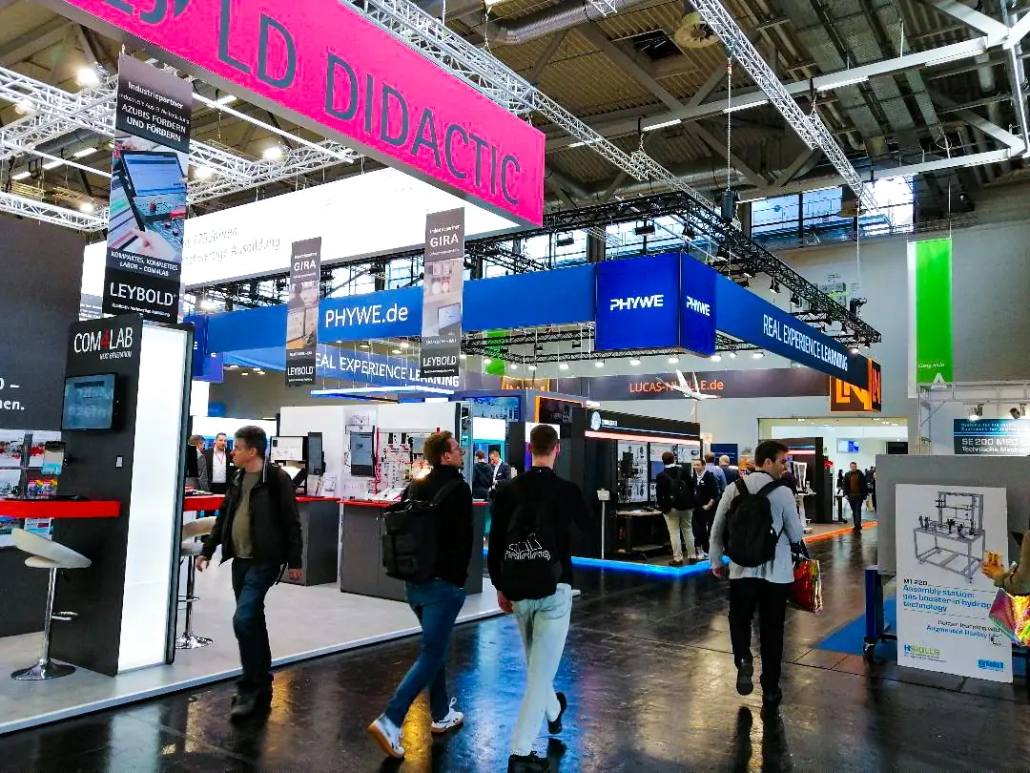
Last week, Cologne was the epicenter for global education: over 700 exhibitors from 58 countries and 75,000 visitors gathered at the didacta trade fair to discuss the future of the industry.
Our colleague, Michael Reimer, Head of Sales EMEA, didn’t just attend the exhibition: he immersed himself in its atmosphere to personally assess the key trends and connect with partners.
Here is his exclusive review for LinkedIn:
This year’s didacta trade fair in beautiful Cologne, Germany, once again impressed with its visitor-friendly and well-organized layout, the wide variety of exhibitors, and innovative ideas, such as lecture areas in the access zone outside the exhibition halls, further solidifying its status as the leading trade fair and professional development event for the entire education sector. Over 700 exhibitors from 58 countries and around 75,000 visitors came together to exchange ideas and initiate business. As in previous didacta fairs, AI-based technologies for facilitating learning and motivating students were among the dominant themes. Interestingly, however, the initial amazement at what AI can (and does) make possible has now given way to an expectation of the sustainable customer benefits that AI can actually offer individual companies in their day-to-day business. Numerous discussions with exhibitors also clearly demonstrated that many companies are specifically relying on collaboration with external translation and localization partners when it comes to multilingualism – provided, however, that these partners are able to connect to the respective client systems and possess proven expertise with AI-based “new technologies”. Thus, didacta was once again a highly exciting event in a highly dynamic environment of technological transformation.
“My visit to didacta this year was again well worth it. Despite the busy booths, I had many opportunities for productive conversations with potential clients in addition to my scheduled meetings. These conversations sometimes took unexpected turns and led directly to discussions about upcoming multilingualism projects that could be considered for collaboration. I thank my numerous contacts for the excellent exchanges, the many cups of coffee, and the promising outlook for future cooperation.”