NEWS
Translation as a Compliance Imperative in Global Pharma
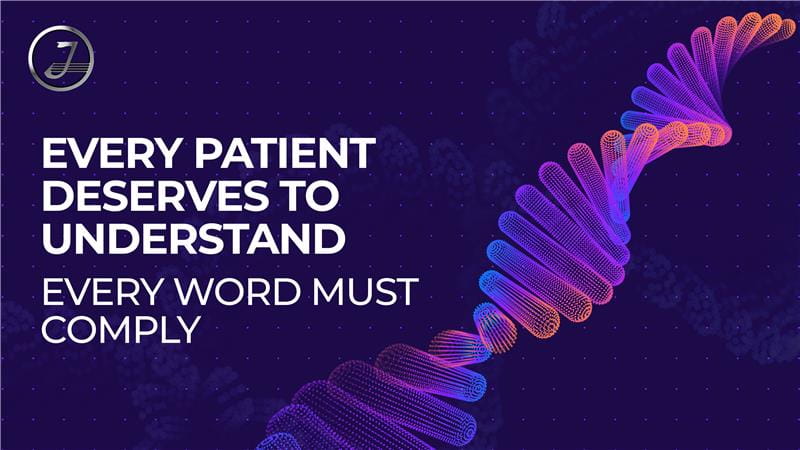
In the competitive landscape of global pharmaceuticals, the need for accurate and high-quality translation has evolved from being just important to absolutely crucial for regulatory compliance. As regulatory authorities around the globe intensify their oversight of the quality and accuracy of translated clinical documentation, life sciences companies must ensure that every single word is not only translated with meticulous precision, but also reflects the cultural nuances and contextual relevance necessary for effective communication. This means that beyond linguistic accuracy, the translations must resonate with the target audience, taking into account regional dialects, idiomatic expressions, and industry-specific terminology.
Why does this matter?
- The EU Clinical Trials Regulation mandates multilingual submissions for clinical trials across the EU, ensuring patients in various member states have access to clear, comprehensible documents in their native languages.
- The FDA’s 2023 Draft Guidance highlights the critical need for diverse, inclusive trials, requiring translated materials to ensure equitable participation from minority populations across the U.S.
What this means for life sciences companies:
Compliance strategy must include robust localization practices to meet both EU and U.S. regulatory expectations. It is no longer sufficient to just translate documents: translations must be clear, accurate, culturally appropriate, and compliant with regulatory standards.
Let us ensure that regulatory compliance is not a roadblock, but a stepping stone to successful, inclusive, and safe global trials.